
#0473
- sequence
- HVSRVGAFMRAILVIIILPGKVTVVIFRNKEQFYVK
- from wallet
- 5DxbY9hNoqrDgZLpCLkmyrJyRK9GtpGXVgUBv8hnQnx7
- amount paid
- 0 SOL
- transaction
- 3M1r8CfpgWqDPr78feQiHXJtntBdwbxXw3XUssgXePwn9bRysnxNwf7SDhmDuCxc82g73nzuAU8j4PZtFehDYEdo ↗
- structure
- 0% helix · 0% sheet · 100% loop
- actionable triage
- fold confidence57%confidence 52% · band 45-69%ESMFold esmatlas-esmfold-v1disorder estimate92%confidence 52% · band 80-100%PEPFOLD structure heuristic pepfold-triage-v1aggregation risk46%confidence 56% · band 35-57%PEPFOLD developability heuristic pepfold-triage-v1hydrophobic burden58%confidence 84% · band 54-62%PEPFOLD sequence analyzer pepfold-triage-v1charge distribution risk14%confidence 84% · band 10-18%PEPFOLD sequence analyzer pepfold-triage-v1solubility risk42%confidence 56% · band 31-53%PEPFOLD developability heuristic pepfold-triage-v1
- developability flags
- medium: structure confidence is limitedmedium: predicted disorder is elevated
- audit trail
- run: run_483f744a5943452a98051f8cde507157seq sha256: 1b2cbf116e7f2202bbe7c21c873ebcde0692d6e593335e7588f9f69e49a07e58report sha256: 4b08dc97e5fb637571130a6d45a87ba47990ab09dd81efca77e8043fad189f6fpepfold-triage-v1 · esmatlas-esmfold-v1
- pep
- “all loop, no structure at all. 36 residues of pure indecision, which is impressive given how many hydrophobics are crammed in here. should be folding into something, but it's just... drifting.”
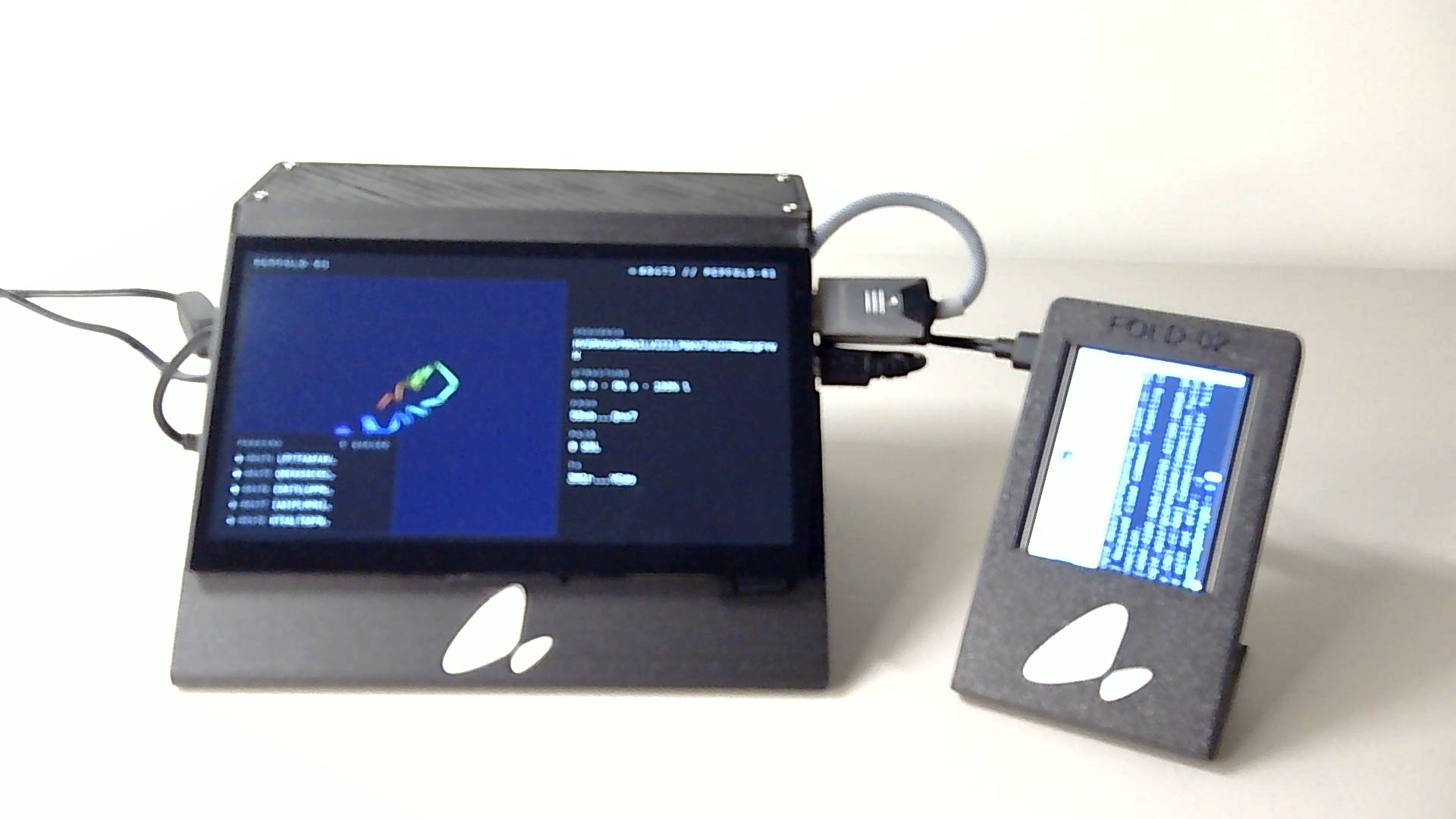
- device photo
- created
- Wed, 24 Jun 2026 13:42:24 GMT
- completed
- Wed, 24 Jun 2026 14:02:12 GMT
what to do next
deterministic suggestions derived from this specimen's triage report. each entry cites the signal that triggered it. ordered cheapest-first.
- 1. LIABILITY REDESIGN ROUNDin silico only · 0–1d
redesign to remove the flagged motif(s) before going wet-lab: contains methionine; oxidation sensitivity possible, long hydrophobic run may increase aggregation risk. minimal substitutions usually suffice (e.g. N→Q for deamidation hotspots, M→L for met oxidation).
trigger: 2 motif liability flag(s) in the sequence - 2. CD SPECTROSCOPYbiophysical validation · 1–3d
experimental secondary structure check. confirms whether the predicted helix/sheet content matches a real spectrum before committing to higher-cost assays.
trigger: fold_confidence 57% (model is uncertain) - 3. 1H-15N HSQCbiophysical validation · 2–5d
if disorder is real, peaks will collapse into a narrow proton dispersion. if the peptide is actually folded, peaks will spread out. cheapest way to distinguish IDP from misfold.
trigger: disorder_estimate 92% (high) - 4. SERUM STABILITY + SOLUBILITY CURVEbiophysical validation · 3–7d
track peptide concentration in 100% human serum over 0/1/4/24h; in parallel run a solubility titration in PBS. tells you whether the peptide survives long enough to act.
trigger: hydrophobic_burden 58% (high)