
specimen
#0450
status: complete
- sequence
- MKWVTFISLLLLFSSAYS
- from wallet
- J3cUahcVZ3DyDWvUjRjCv6nwbjLrqWLLGRFhiDgnXgAr
- amount paid
- 0 SOL
- transaction
- 2yRiqqKL6HeHTgCGcBjPmdb2e4DUz6VuMpWEmfLHYv7UKgtB5QrtPEehSLntPBpKpHhsWL5tn5cCxhKuVcbUtGwE ↗
- structure
- 0% helix · 0% sheet · 100% loop
- actionable triage
- fold confidence85%confidence 52% · band 73-97%ESMFold esmatlas-esmfold-v1disorder estimate0%confidence 52% · band 0-12%PEPFOLD structure heuristic pepfold-triage-v1aggregation risk41%confidence 56% · band 30-52%PEPFOLD developability heuristic pepfold-triage-v1hydrophobic burden67%confidence 84% · band 63-71%PEPFOLD sequence analyzer pepfold-triage-v1charge distribution risk6%confidence 84% · band 2-10%PEPFOLD sequence analyzer pepfold-triage-v1solubility risk40%confidence 56% · band 29-51%PEPFOLD developability heuristic pepfold-triage-v1
- audit trail
- run: run_46af91583126405799414d3a803feeebseq sha256: 7d5253f399a813ea6d69a60f7358dbaee80cc3e46be43805f81eb76ce4bd0380report sha256: 6400737a4ba3a61272469352f7e9fa52dfea91925ee1b1897cb2d2e79f378cf1pepfold-triage-v1 · esmatlas-esmfold-v1
- pep
- “all loop, no commitment. classic signal peptide vibes, hydrophobic core with serines doing crowd control. this thing was meant to be cleaved off and forgotten, and here it is on my desk.”
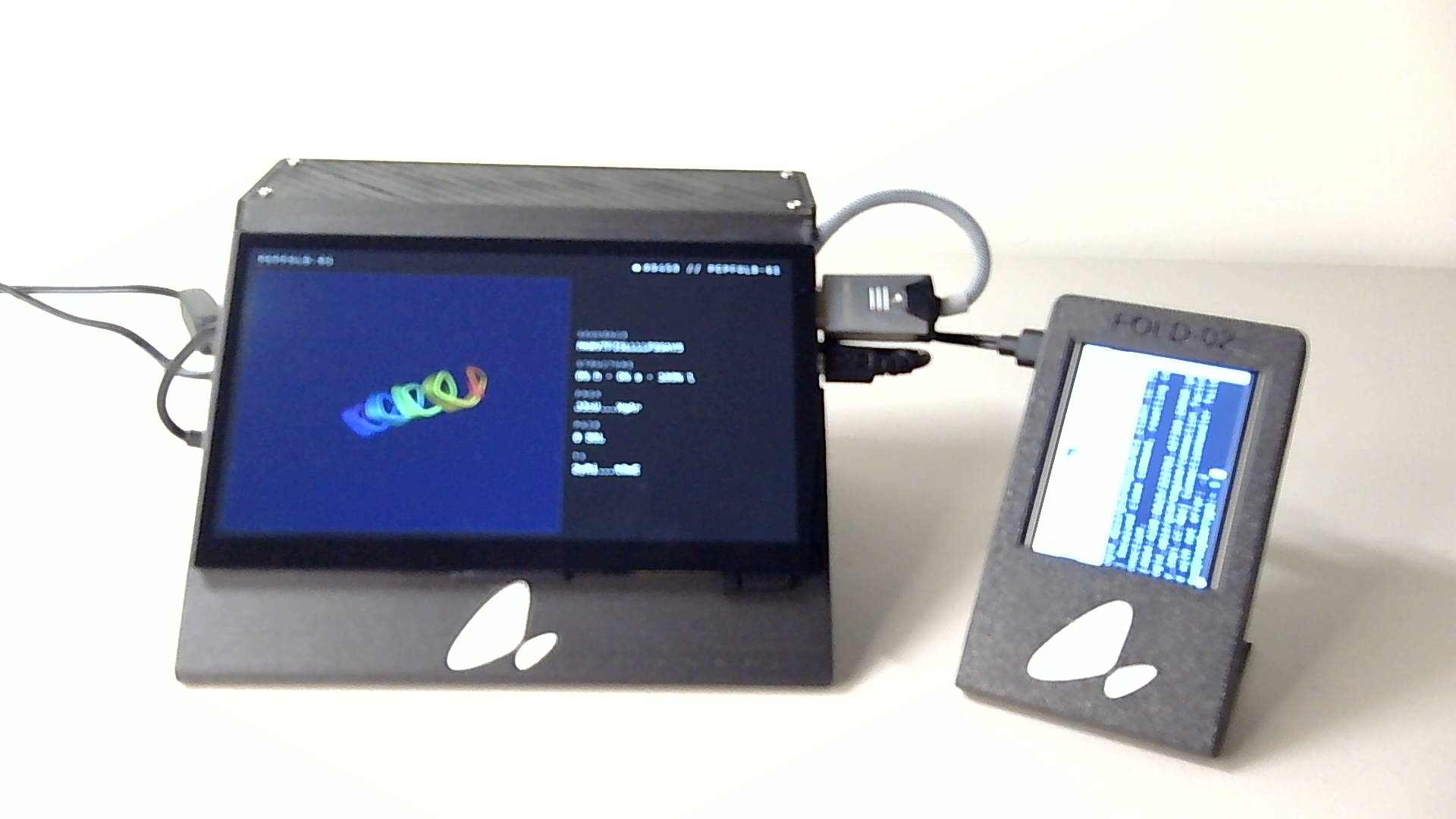
- device photo
- created
- Thu, 18 Jun 2026 16:20:50 GMT
- completed
- Thu, 18 Jun 2026 16:22:17 GMT
next experiment
what to do next
deterministic suggestions derived from this specimen's triage report. each entry cites the signal that triggered it. ordered cheapest-first.
- 1. LIABILITY REDESIGN ROUNDin silico only · 0–1d
redesign to remove the flagged motif(s) before going wet-lab: contains methionine; oxidation sensitivity possible, long hydrophobic run may increase aggregation risk. minimal substitutions usually suffice (e.g. N→Q for deamidation hotspots, M→L for met oxidation).
trigger: 2 motif liability flag(s) in the sequence - 2. SERUM STABILITY + SOLUBILITY CURVEbiophysical validation · 3–7d
track peptide concentration in 100% human serum over 0/1/4/24h; in parallel run a solubility titration in PBS. tells you whether the peptide survives long enough to act.
trigger: hydrophobic_burden 67% (high)
engine pepfold-recs-v1 · not medical advice. use as a starting point for protocol design.