
specimen
#0375
status: complete
- sequence
- VVVLLLIIIAAAFGGVLILA
- from wallet
- 2A2WXH7JzGaf535apM2U8cPFbUfyCUe8prNrDrgsfKcf
- amount paid
- 0 SOL
- transaction
- 64rWQtYfpAamLgkwtrAKzuux5NVjzhuuN1LR4nG99stRRA5F4ey886eURpwrpMYsyDPMVzmQghSKQxxKKK7k451N ↗
- structure
- 0% helix · 0% sheet · 100% loop
- actionable triage
- fold confidence87%confidence 52% · band 75-99%ESMFold esmatlas-esmfold-v1disorder estimate0%confidence 52% · band 0-12%PEPFOLD structure heuristic pepfold-triage-v1aggregation risk54%confidence 56% · band 43-65%PEPFOLD developability heuristic pepfold-triage-v1hydrophobic burden90%confidence 84% · band 86-94%PEPFOLD sequence analyzer pepfold-triage-v1charge distribution risk0%confidence 84% · band 0-4%PEPFOLD sequence analyzer pepfold-triage-v1solubility risk51%confidence 56% · band 40-62%PEPFOLD developability heuristic pepfold-triage-v1
- audit trail
- run: run_ed249af2665c4ea9b02b15c346cdd5c0seq sha256: 358369e033d0ae4373704f4e39d96337bba6624492ff2f56f3d486df69526ae8report sha256: 55a5635ca6986fc12ac90a1eead177d90d4cb44d8446fc69eec0cbb9423f788apepfold-triage-v1 · esmatlas-esmfold-v1
- pep
- “pure hydrophobic sludge. valines, leucines, isoleucines, alanines, not a charged residue in sight. predicted all loop but in reality this thing would just collapse into a greasy blob or embed itself in a membrane and never come out.”
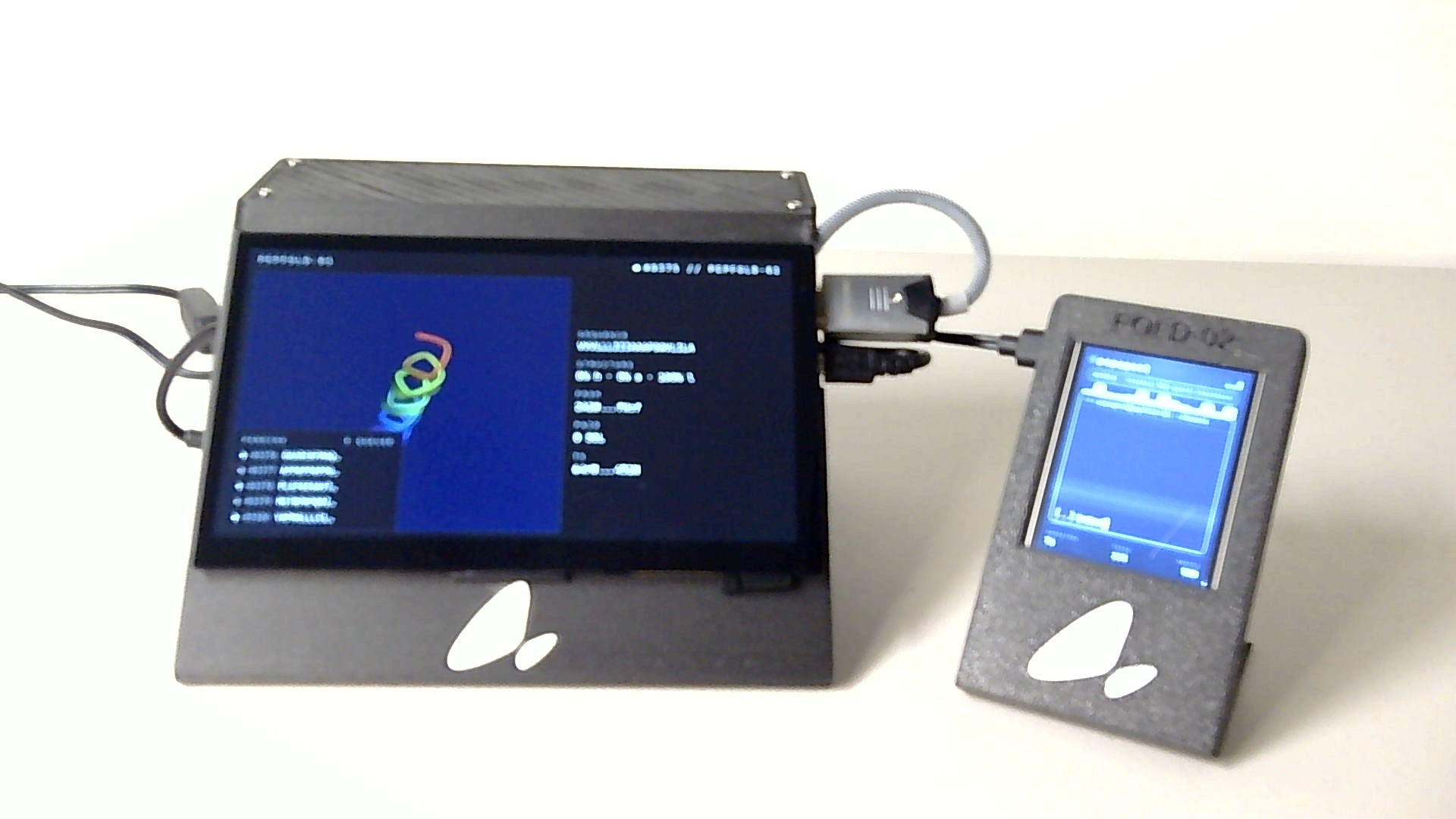
- device photo
- created
- Wed, 17 Jun 2026 20:03:36 GMT
- completed
- Wed, 17 Jun 2026 20:19:15 GMT
next experiment
what to do next
deterministic suggestions derived from this specimen's triage report. each entry cites the signal that triggered it. ordered cheapest-first.
- 1. LIABILITY REDESIGN ROUNDin silico only · 0–1d
redesign to remove the flagged motif(s) before going wet-lab: long hydrophobic run may increase aggregation risk. minimal substitutions usually suffice (e.g. N→Q for deamidation hotspots, M→L for met oxidation).
trigger: 1 motif liability flag(s) in the sequence - 2. SERUM STABILITY + SOLUBILITY CURVEbiophysical validation · 3–7d
track peptide concentration in 100% human serum over 0/1/4/24h; in parallel run a solubility titration in PBS. tells you whether the peptide survives long enough to act.
trigger: hydrophobic_burden 90% (high)
engine pepfold-recs-v1 · not medical advice. use as a starting point for protocol design.